SECTOR-63, NOIDA, (U.P) , INDIA - 201309 +91- 8630687446 , 8510855698 info@aatulyaa.com

E-Commerce Website

Home Website Designing

E-Commerce Website

You can purchase and sell goods and services online using an e-commerce website. Vendor-specific, multi-vendor, and marketplace websites are examples of different e-commerce website types. Since higher-ranked websites typically draw more visitors, e-commerce ranking is important to the success of these e-commerce portals.

You can sell goods online through an e-commerce website in place of a physical store. A few of the best e-commerce platforms to sell goods on include Amazon and eBay. The names of these e-commerce websites are frequently associated with internet retailing. E-commerce websites handle orders, transactions, and product details. A few instances are various websites, including eBay and Amazon, which rank in the top 10 e-commerce rankings of websites.

Technologies including electronic commerce, mobile commerce, online transaction processing, electronic data interchange, or EDI, and online marketing are all used by the e-commerce industry.

  • Online Marketing
  • Online Transaction Processing
  • Electronic Data Interchange (EDI)
  • Electronic Commerce

These technology plus e-commerce businesses are needed to trade products and services online.

E-commerce website design is a crucial component of starting an online store. E-commerce platforms, like the greatest international e-commerce website, are used to set up your e-commerce stores and accept orders digitally. E-commerce sites handle shipping and logistics, take payments, and offer design samples—like crisp photos—to customers as part of their customer support services.
What Ought an E-Commerce Site to Do?

Take Orders

Customers' orders are accepted and processed by the online store. It keeps client data in the database, including names and addresses. To guarantee a positive user experience, a website with an easy-to-use interface and excellent graphics is essential. Improved e-commerce ranking can be attained by having an order processing system that is both efficient and well-designed.

Customers submit order requests on the website and agree to the terms of service. Order numbers and order tracking should also be created and maintained on the business vs e-commerce website. After that, it processes delivery and billing data. A website that incorporates payment gateways is necessary for safe payment processing.

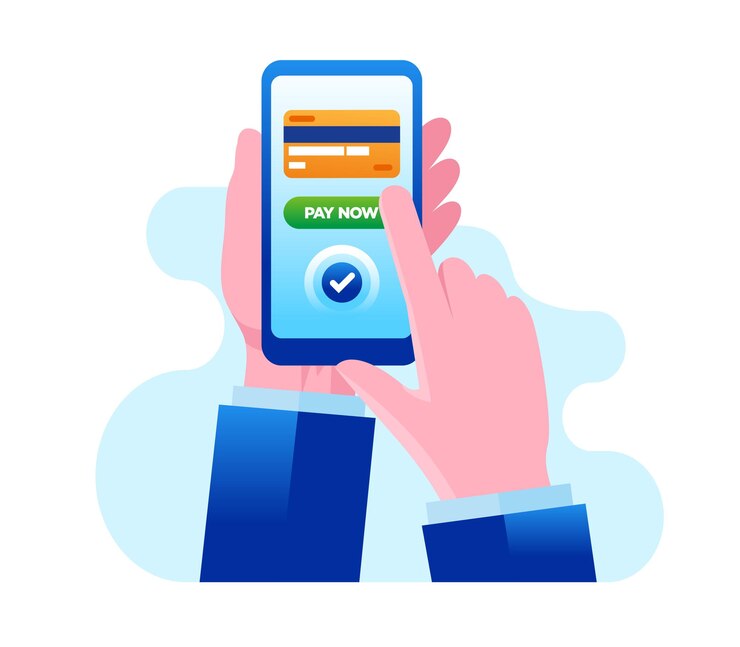
Gateways For Payments

Secure payment methods, such internet banking and PCI compliance for storing & sending sensitive credit card data, are crucial to have for your store. You can add a payment gateway at the end of the buy funnel to finish the transaction. The shipping and logistics solutions, including the rules and specifications of government agencies, should be easily integrated into the e-commerce platforms.

The website and payment gateway must transition smoothly from one another. In this manner, you lower the percentage of cart abandonment and raise your online store rating.

Sensitive credit card data should be stored and sent on the website in accordance with PCI compliance.

Logistics and Shipping

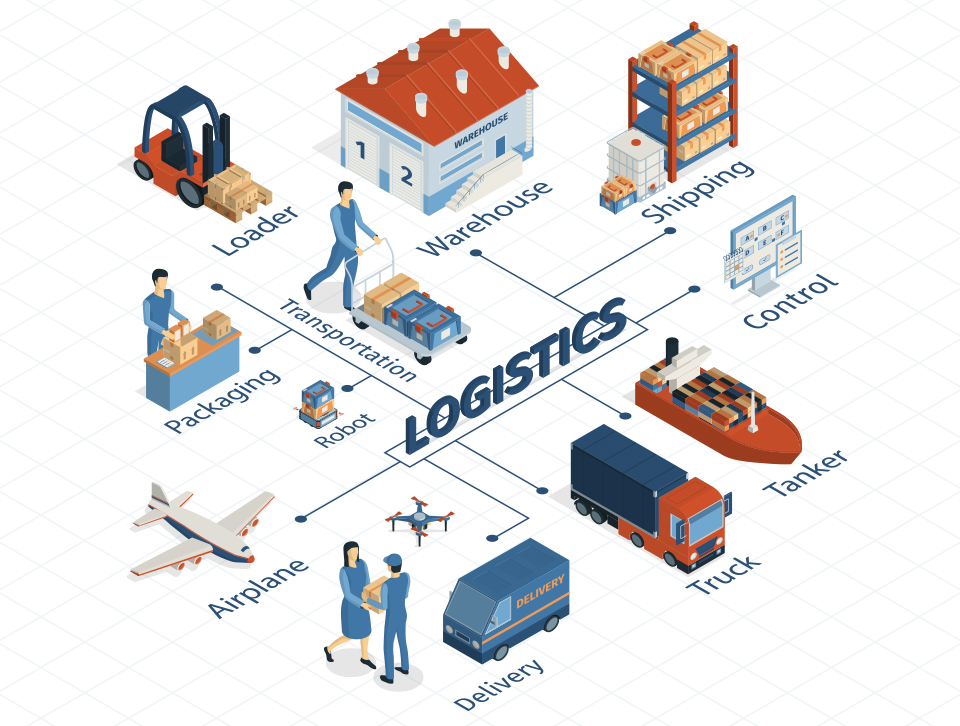
Shipping and logistics solutions should be simple to incorporate into the e-commerce website so that orders may be processed and delivered quickly after they are placed. Effective logistics and shipment management raises the website's overall e-commerce rating.

Obtain order and delivery tracking analytics. Processing for cancelled orders and returned goods is also included. Dates of shipment and delivery are communicated to the customers.

Additionally, the reverse logistics procedure must be simple. Refunds and cancellations are therefore promptly processed. There should be a simplified delivery procedure for large orders.

Offer Client Support

You should be able to communicate with your customers through an e-commerce website, including consumer to administration (C2A) communication. Email newsletters, contact pages, and customer chat support are all addable.

Make a client experience that provides:

  • Purchasing encounter
  • Client testimonials
  • Order details Assistance with exchanges and returns
  • Assistance with refunds
  • Page for general inquiries

To facilitate fast communication with your customers, you can integrate several chatbots, including live chat. The largest company websites smoothly incorporate every customer support feature. In addition to keeping consumers happy, offering top-notch customer support raises your e-commerce site's search engine position.

Your online business's prospects of success and growth are increased when you concentrate on these crucial elements of an e-commerce store. Putting an emphasis on user experience, safe payment processing, effective shipping and logistics, and first-rate customer support will boost your website's e-commerce rankings and draw in more visitors.

Types of E-Commerce Websites

Unique Brand - Vendor Particular

Retailers are able to manage their shops through a single brand or vendor-specific commerce website. It is a typical kind of e-commerce website.

The sole vendor is the store's owner. Without using an intermediary, you may sell directly to customers and target your specialized market. Products cannot be sold without the owner's consent.

Magento and Shopify are two examples. You can create a website to sell your goods with these platforms.

Products and services from a single company or vendor are available on the website. Products may be added, prices can be changed, and direct customer support is available. Businesses sell their items; no third party is engaged.

You can have more control over branding and pricing with a vendor-specific website. Based on the behavior of your target consumer, you can make decisions.

This option can be used by a physical store to open an online store. In this manner, they are able to sell their goods both online and in physical stores.

Some of the largest e-commerce websites may be easily set up by merchants using e-commerce platforms like Magento. You will have every feature needed to sell products online thanks to the built-in features.

Multiple Vendor E-Commerce Stores

A single website owner oversees numerous vendors on a multi-vendor or online store website.

To sell your goods, the vendor may operate a stand-alone store. The website's owner, though, is a distinct organization. The owner of the website bears the extra costs associated with backend development and hosting. You offer the website owner a tiny portion of your earnings.

Etsy and Amazon are two excellent instances of multi-vendor e-commerce websites. It enables vendors to gauge consumer demand before to launching their website. On the other hand, you have less authority over the website's policies and guidelines. You abide by the rules on the website; any infraction may result in the ban of your store.

In addition, competing with other sellers for a higher ranking on internet searches could be challenging. It could be challenging for clients to locate your store among all the vendors.

The website owner's operations services do assist you. Orders and shipping are provided by the owners. They take care of the payment options and provide inventory control services.

A successful multi-vendor website can increase your sales volume. Purchasing numerous products from a single website is convenient for the customers. On the internet, they can find fashion things, technology, and household goods.

Websites with multiple vendors use a revenue-sharing model to function. A portion of the sales proceeds goes to the website owner. It's crucial to investigate and comprehend the cost schedule prior to signing up for a multi-vendor website. Ensuring alignment with your business goals is beneficial.

Furthermore, different multi-vendor websites may have different policies about how they handle customer care concerns or conflicts amongst sellers. To prevent any possible conflicts, it is advised to carefully read the site's policies.

Marketplaces

Websites that connect buyers and sellers under one roof are called marketplaces. The proprietor of the marketplace handles client transactions. The vendors and wholesalers handle the shipment and fulfillment.

A large number of individual vendors post their goods for sale. There are guidelines and limitations on what can be sold on the internet markets. To make money, you can list your goods on the marketplace. Enhance conversion rates and increase customer base by utilizing marketing and promotions. Examples of markets are Etsy and Amazon.com.

In addition, it has specialist marketplaces that set it apart from websites with multiple vendors. For instance, a market place may exist where shoes are the only thing sold.

Websites with marketplaces are a common choice for both consumers and sellers. It provides a variety of goods from numerous vendors.

The proprietor of these marketplaces handles consumer transactions. The wholesalers and sellers who create e-commerce websites handle fulfillment and shipping.

But it's important to remember that there are restrictions on what can be sold on internet markets. Furthermore, it could be challenging to forge a distinct personality on the platform.

Affiliate Websites

You can sell products from other brands on an affiliate website in return for a commission.

There should already be some traffic to your website. Sales and affiliate marketing are two ways to make money. Brands and the website owner collaborate to add affiliate connections.

On the top new e-commerce businesses, you can also receive commissions for user actions.

In accordance with the merchants' specifications, the terms are decided upon.

Payouts to affiliates consist of the following:

  • Direct Sales: Receive a commission for the sale of goods or services.
  • Leads: Receive commissions for actions such as downloading content and following users on social media.
  • Clicks: Earn affiliate commissions based on website visitors' cost per click.

When it comes to affiliate marketing, the commission schedule and product choice are crucial elements to take into account. For instance, some retailers can have fewer products available but a larger commission rate. Conversely, others may have a larger selection of products but provide lesser commissions. It's critical to look into related websites and choose merchants who share your objectives in order to optimize profits.

Furthermore, it's critical to offer top-notch content that builds audience trust and contains pertinent product suggestions. You must comprehend the product selection and commission structure. Thus, affiliate marketing has the potential to be a very profitable choice for online retailers.

Aatulyaa IT Solutions Pvt.Ltd.

SUITE NO-304 , THIRD FLOOR, PROCAPITUS BUSINESS PARK, D-247/4A,SECTOR-63, NOIDA, (U.P) , INDIA - 201309

info@aatulyaa.com

8630687446 , 8510855698

© Aatulyaa IT Solutions Pvt.Ltd. All Rights Reserved. Designed by Aatulyaa IT Solutions Pvt.Ltd.